He Birth (1943):
The Field: Before 1943, the area was a relatively flat, fertile cornfield owned by a Purépecha Indigenous farmer named Dionisio Pulido. It was located near the village of Paricutin in the Mexican state of Michoacán.
Precursors: Weeks before the eruption, locals felt tremors and heard rumbling noises underground. They dismissed them as normal occurrences.
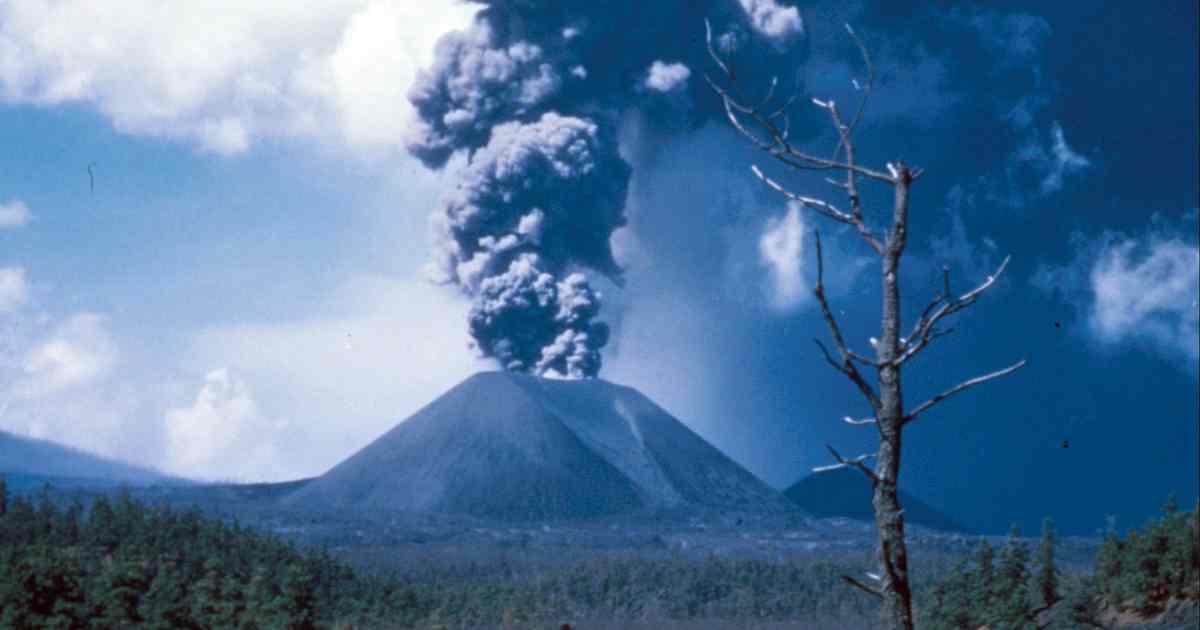
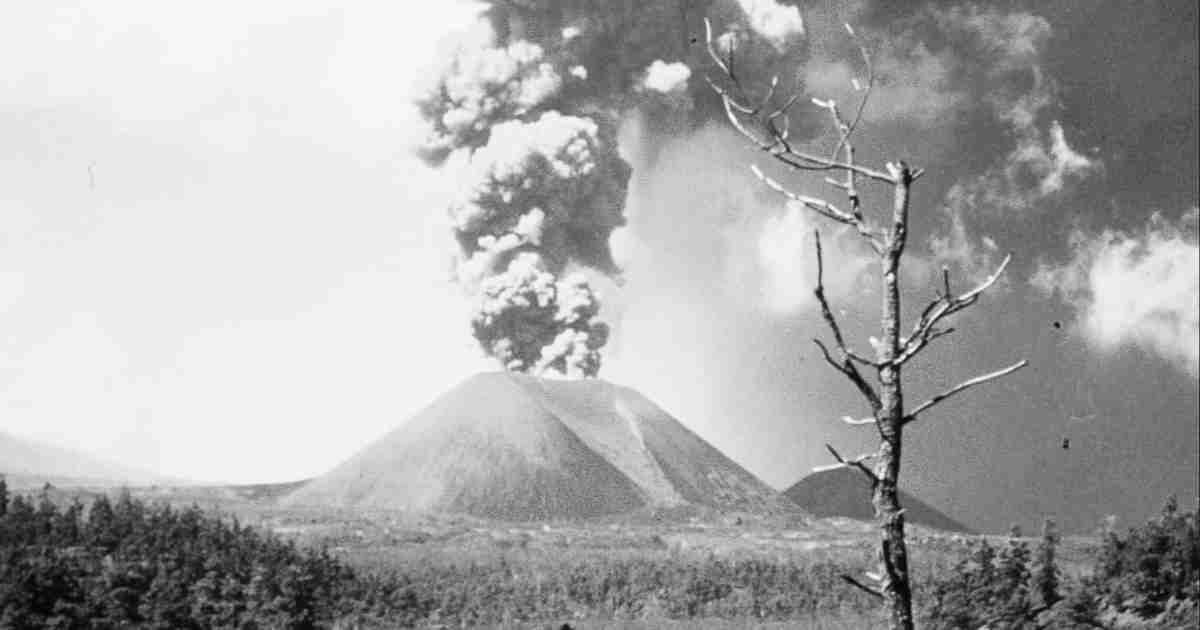
February 20, 1943: The eruption began in Dionisio’s field. While plowing, he noticed a crack in the ground that was emitting smoke. By afternoon, it was a growing vent spewing ash, rocks, and steam. Witnesses reported the growing cone reached several meters high within hours.
The Eruption (1943-1952):
Rapid Growth: Over the first few days, the cone grew incredibly rapidly. Volcanic ash and cinder covered the surrounding area.
Phases of Activity: The eruption had distinct phases:
Pyroclastic Cone Growth: The initial phase was dominated by explosive activity, building the cinder cone from ejected material (tephra). This phase was very rapid in the early months.
Lava Flows: After about a year, lava flows began to erupt from the base of the cone. These flows were basaltic and relatively slow-moving, but they eventually covered the villages of Paricutin and San Juan Parangaricutiro.
Strombolian Eruptions: Intermittent, less explosive eruptions continued from the cone, characterized by bursts of gas and molten rock.
Impact on Local Communities: The villages of Paricutin and San Juan Parangaricutiro were evacuated. Paricutin was completely buried by lava and ash. San Juan Parangaricutiro was partially buried, with only the church tower remaining visible. People were displaced and had to relocate. Miraculously, few lives were lost due to the relatively slow nature of the lava flows and the timely evacuations.
Scientific Interest: Paricutin became a major focus of scientific study. Geologists were able to observe and document the entire life cycle of a volcano from its birth to its eventual quiescence. It was a rare opportunity to study volcanism firsthand.
The Dormancy (1952 – Present):
1952: The eruption ceased, and Paricutin went dormant. The volcano has been inactive since then.
Present Day: The cone of Paricutin stands at a height of about 424 meters (1,391 feet) above the pre-eruption landscape. The solidified lava fields are a stark and dramatic landscape. The church tower of San Juan Parangaricutiro emerging from the lava is a powerful symbol of the eruption.
Tourism: The area is now a tourist destination. Visitors can hike to the cone, explore the lava fields, and visit the church tower. It serves as a reminder of the power of nature and the resilience of the people who lived through the eruption.
Key Takeaways:
Paricutin is a relatively young volcano, notable for its sudden birth and relatively short life cycle.
It provided a unique opportunity for scientists to study the development of a volcano from scratch.
The eruption had a significant impact on the local communities, displacing them and altering the landscape.
Today, it serves as a popular tourist attraction and a reminder of the power of nature.
The Purépecha people, who lived through the eruption, have integrated Paricutin into their culture and oral traditions, giving it a prominent place in their history.
In summary, Paricutin’s history is a compelling tale of geological drama, human displacement, and the enduring power of nature.