
Certainly! Paricutin is a famous volcano located in Mexico. Here are some interesting facts about Paricutin Volcano:
Birth of a Volcano: Paricutin is often referred to as one of the “Seven Natural Wonders of the World” due to its unique formation. It suddenly emerged from a farmer’s field on February 20, 1943, as a result of a volcanic eruption. This makes it one of the few volcanoes in history to be witnessed from its very beginning.
Location: Paricutin is situated in the state of Michoacán, Mexico. It’s part of the Michoacán-Guanajuato volcanic field, which is one of the most active volcanic areas in Mexico.
Eruption Process: The volcanic eruption that created Paricutin began with the appearance of a fissure in the ground. Over the course of several days, the fissure spewed ash and lava, gradually building up the cone of the volcano. The eruption continued for about nine years, during which the volcano grew to a height of around 1,391 feet (424 meters).
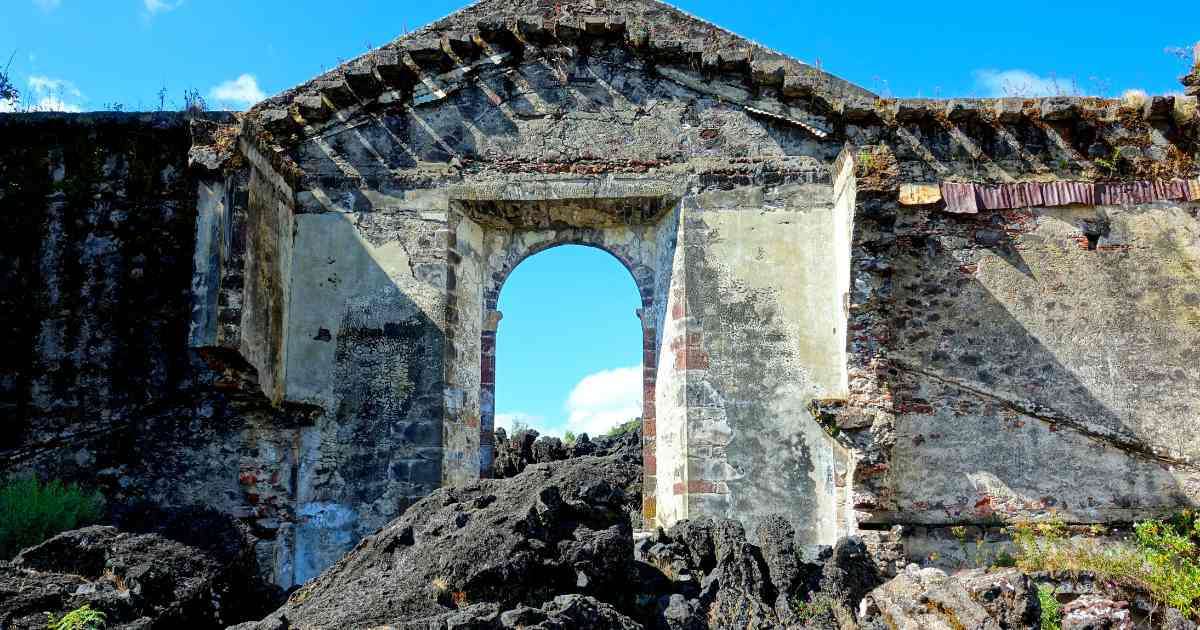
Effects on Surroundings: The eruption of Paricutin had significant effects on the nearby villages. Two villages, Paricutin and San Juan Parangaricutiro, were partially buried under lava and ash. The eruption also altered the landscape and local ecosystem.
Volcanic Activity: The eruption of Paricutin marked the first time that modern scientists had the opportunity to closely study the entire life cycle of a volcano, from its formation to its eruption and subsequent effects on the environment.
Volcanic Composition: Paricutin is classified as a scoria cone volcano, which means it is primarily composed of volcanic rock fragments known as scoria. Scoria is a dark, porous rock formed during explosive volcanic eruptions.
Tourist Attraction: Today, Paricutin is a popular tourist attraction and is frequently visited by people interested in witnessing the unique phenomenon of a growing volcano. Visitors can hike up the cone and explore the area around the volcano.
Cessation of Activity: The eruption of Paricutin ceased in 1952, leaving behind a dormant volcano. While it’s not currently active, Paricutin remains a testament to the dynamic and unpredictable nature of geological processes.
These facts showcase the fascinating story of the Paricutin Volcano and its impact on the local environment and scientific understanding of volcanic activity.
