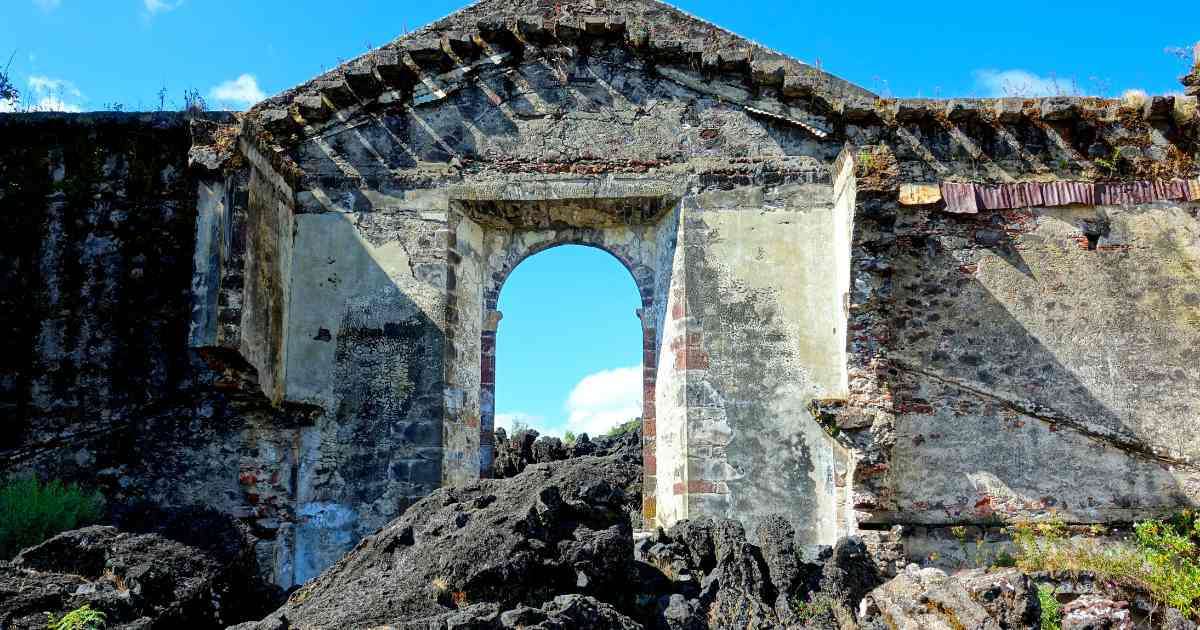
Paricutin Volcano is often considered one of the “Seven Natural Wonders of the World” due to its unique and remarkable formation, as well as the extraordinary natural processes that led to its creation.

Here’s why Paricutin Volcano is considered a natural wonder:
Sudden Emergence: Paricutin Volcano’s formation was a rare and awe-inspiring event that was witnessed from its very beginning. Unlike most volcanoes that form gradually over thousands of years, Paricutin’s eruption started suddenly in 1943 when a fissure opened up in a farmer’s field. This rapid and visible emergence captured the attention of scientists and the public alike.
Scientific Significance: Paricutin provided scientists with a unique opportunity to study the entire life cycle of a volcano, from its birth to its eruption and subsequent impacts. This type of comprehensive observation of a volcanic event had not been possible before, and it significantly contributed to our understanding of volcanic processes.
Dramatic Growth: Over the course of its nine-year eruption, Paricutin grew to a height of around 1,391 feet (424 meters). This rapid growth and the way it altered the surrounding landscape made it a truly remarkable geological phenomenon.
Local Impact: The eruption of Paricutin had a profound impact on the local communities and environment. Two villages were partially buried under lava and ash, demonstrating the powerful forces of nature and the vulnerability of human settlements to geological events.
Tourist Attraction: Paricutin Volcano’s accessible location and relatively recent eruption have made it a popular destination for tourists and adventurers. People come from around the world to witness this unique example of natural beauty and geological activity.
Symbol of Nature’s Power: Paricutin serves as a reminder of the dynamic and unpredictable nature of the Earth’s geology. Its emergence and eruption showcase the raw power of natural forces that shape our planet’s surface.
Cultural and Historical Value: The story of Paricutin’s eruption is not only significant from a geological standpoint but also from a cultural and historical perspective. It is a testament to the interactions between humans and nature, and how communities adapt and respond to such events.
All these factors combined contribute to Paricutin Volcano’s status as one of the Seven Natural Wonders of the World. Its rapid and visible growth, scientific significance, impact on local communities, and the lessons it teaches about the Earth’s geological processes make it a truly remarkable and wondrous natural phenomenon.